Bonuswinnerzone - editorial on film craft

Where cuts carry
the argument

Editing as the primary instrument of narrative meaning

Every decision made in the edit suite - what stays, what goes, what follows what - shapes how a story lands. This site examines those decisions closely, without pretending they are neutral.

Film editing suite with timeline and monitor
How Margaret Cut Her Documentary to Find Its Story
Storytelling Through Editing

How Margaret Cut Her Documentary to Find Its Story

A breakdown of one person's editing process from raw footage to finished film

A step-by-step look at how one retiree transformed hours of raw family footage into a coherent 12-minute film through deliberate editing choices.

Read full piece


6 years of editorial coverage, since 2018
38 in-depth pieces on editing craft
4 distinct content directions explored
2 contributing editors and analysts

Adjacent territory

Editing does not exist in isolation. These are the areas the site examines in relation to it - each one changes how you read a cut.

Sound design and the edit

How audio cuts and music choices shape the perceived logic of visual transitions. The ear often decides before the eye.

Explore writing

Viewer attention and pacing

What cognitive research tells us about how audiences track story across cuts - and where editors exploit those patterns deliberately.

Explore writing

Documentary vs. fiction editing

The same tools, different constraints. Comparing how editors work when the footage cannot be reshot and when it can.

Explore writing

Less obvious threads

Connections between editing and areas that rarely appear in craft discussions - but consistently show up in the work of editors who think carefully.

01

Architecture and spatial logic

Editors who trained in or studied architecture often cut space differently - they think about threshold and transition, not just sequence.

02

Political framing through selection

Which footage is excluded from a documentary is as much an editorial argument as what appears. The cut is never apolitical.

03

Music composition and structural rhythm

Editors who understand musical form - particularly phrase and resolution - make different decisions about where scenes end and begin.

04

Memory and non-linear narrative

How the brain reconstructs events from fragments maps directly onto how audiences process non-chronological editing - and where it fails them.

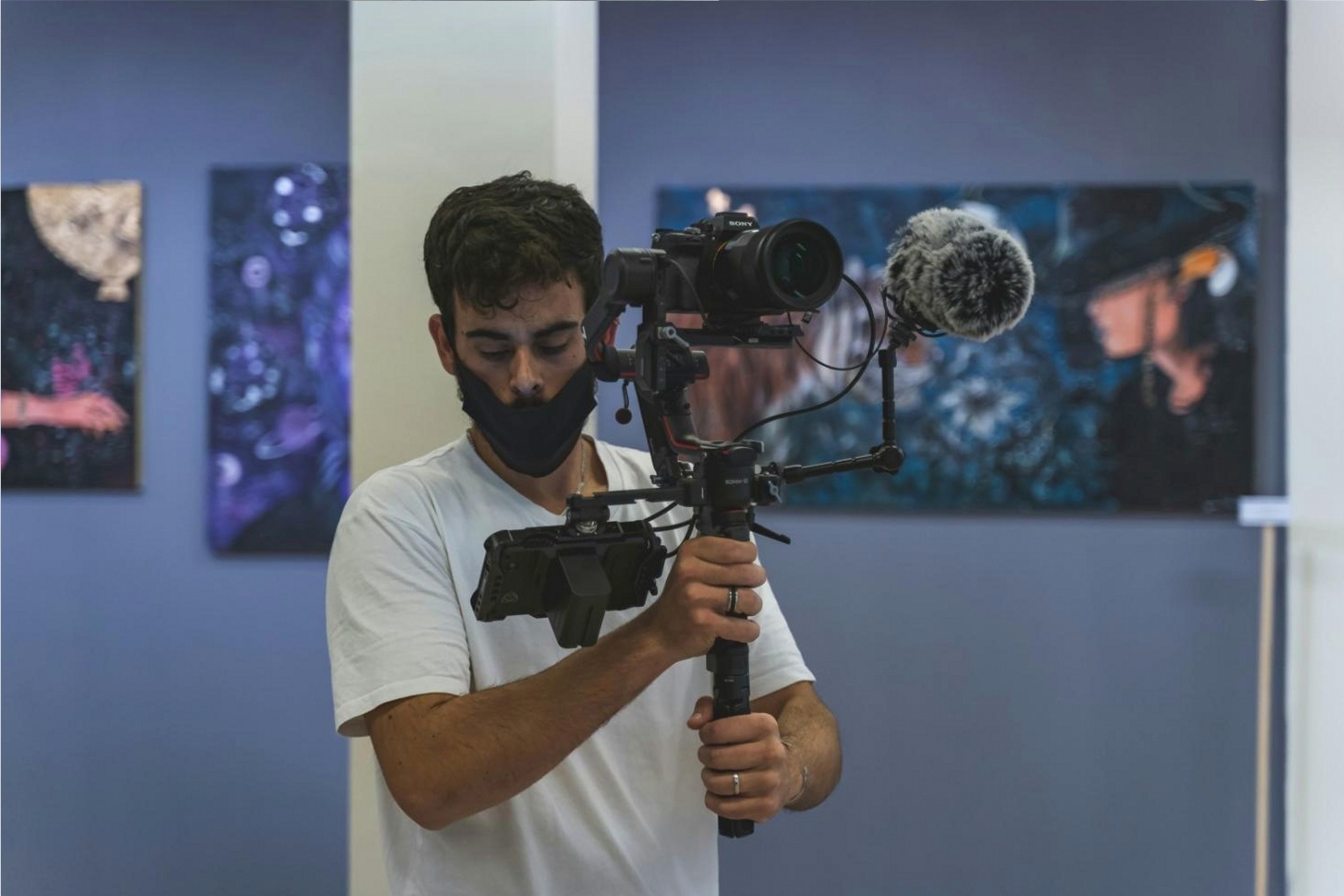
Film editing process close-up
Editor reviewing footage on timeline
Cinematic storytelling through editorial choices
Tobias Wren, senior editor and critic

Tobias Wren

Editor & critic

Nadia Fjelstad, documentary analyst

Nadia Fjelstad

Documentary analyst

Tobias worked in post-production for twelve years before shifting to criticism. He edited short-form documentary and commercial work.

Nadia focuses on long-form non-fiction, with particular interest in how editorial structure shapes the ethics of representation.

Expertise from inside the edit suite

The writing here comes from people who have sat with footage for hours deciding what a scene actually means - not from observers describing the result. That difference in vantage point shapes every argument made on this site.

The most interesting editorial decisions are rarely the visible ones.

Neither contributor writes from a fixed theoretical position. The aim is to follow the evidence in specific films and specific choices - and to say something precise about why a particular cut works or does not.

Full background

The archive is open

Every piece is available without restriction. Start anywhere - the writing is designed to hold up whether you arrive at the beginning or the middle.

Go to the blog Learn more