
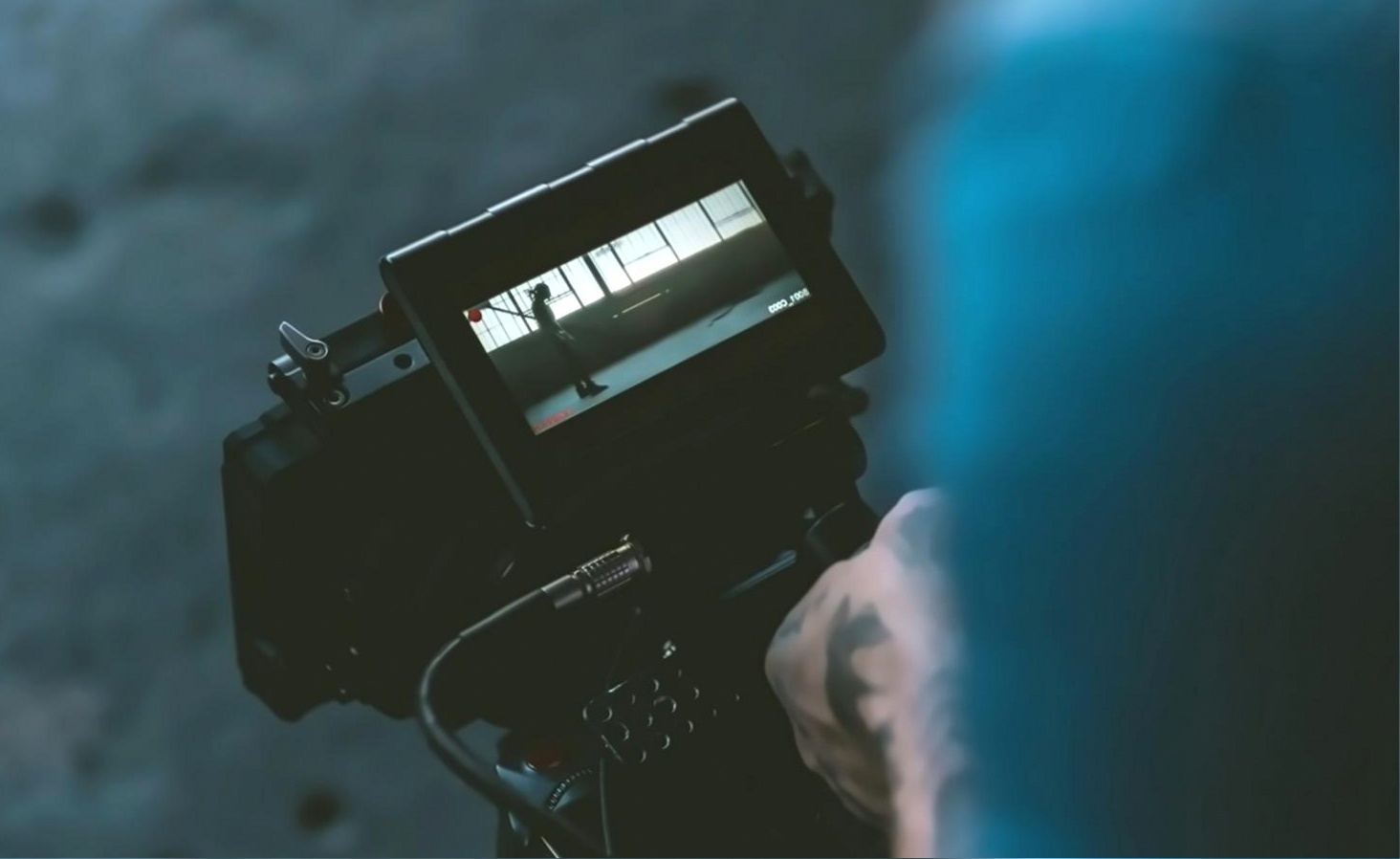
Editing as
a form of
argument
Every cut is a decision. Every decision carries a point of view. This publication exists to examine what those decisions reveal.
Each editorial breakdown examines not just what was cut, but the reasoning that makes the remaining sequence cohere.
From Tarkovsky's long takes to Eisenstein's collision montage - the range is deliberate, not encyclopaedic.
No rotating contributors. The arguments here are singular, which means they can be wrong - and that matters.
What this publication actually does
Bonuswinnerzone is not a review site. It does not rate films or rank editors. It asks a narrower question: how does the sequence of images produce meaning, and when does that sequence constitute an argument rather than a description?
The answer changes depending on the film. A jump cut in Godard's hands is a refusal of continuity as ideology. The same cut in a commercial thriller is a pacing decision. Context determines whether a technique is rhetoric or craft - and sometimes it is both simultaneously.
Pieces here are written to take a position. They are not summaries of existing scholarship. When a claim is contested, the disagreement is named rather than smoothed over.
-
01
Specificity over breadth
A single scene examined closely yields more than a survey of an entire career. The close read is the method.
-
02
The cut as the unit of analysis
Not the shot, not the sequence - the transition between them. That threshold is where decisions become visible.
-
02.5
Disagreement as a feature
Readers who arrive at different conclusions from the same evidence are doing exactly what the work is meant to provoke.
-
03
No pretence of neutrality
Every piece has a thesis. The goal is not to present all sides equally but to argue one side with enough rigour that the counterargument becomes clear.
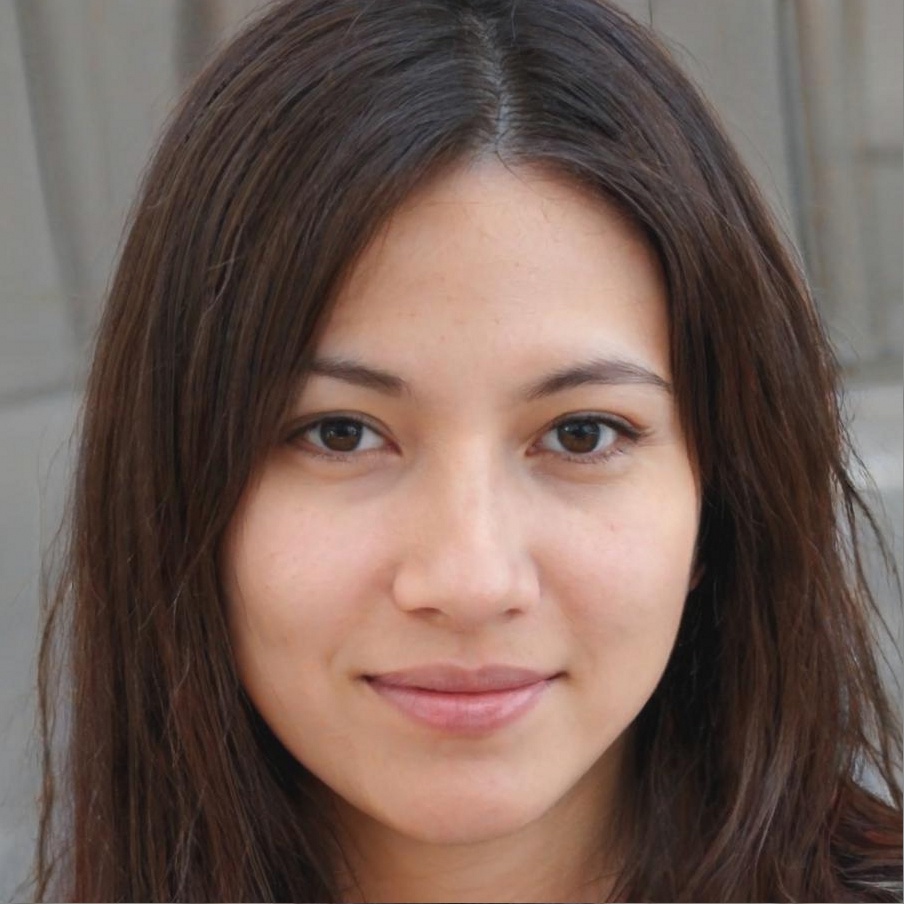
Irena Vašíčková
Contributing editor, montage theory
"The most interesting edits are the ones that feel inevitable in retrospect but were genuinely uncertain at the moment of the cut."
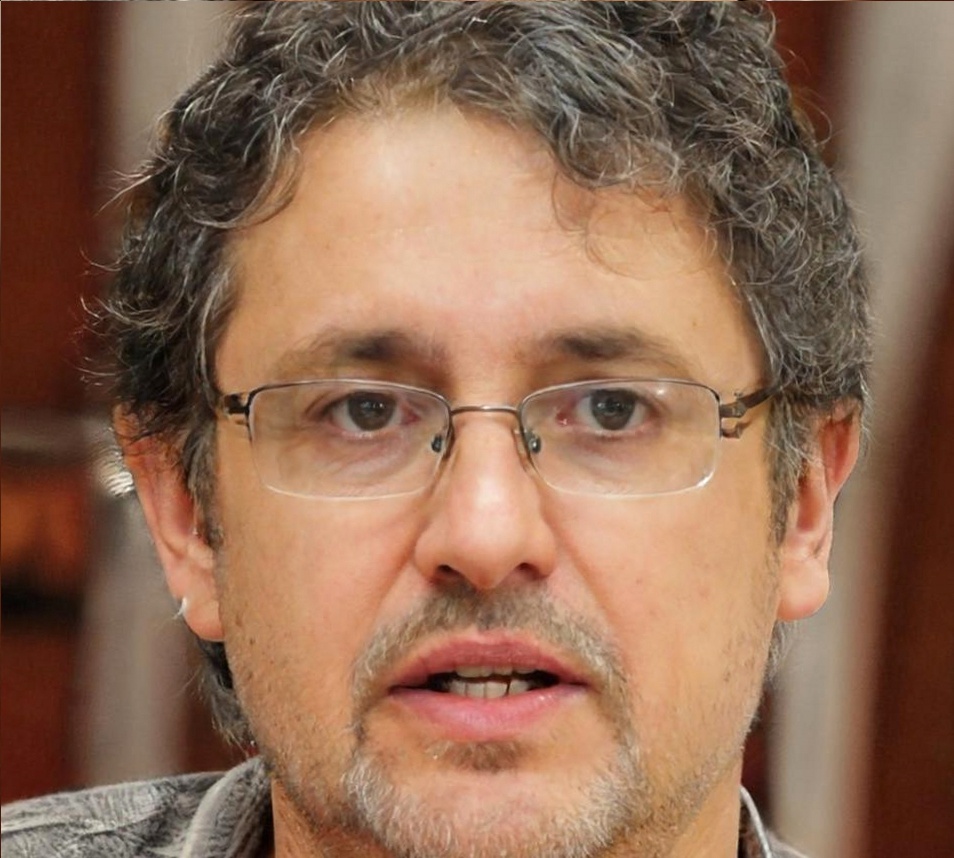
Tobias Renner
Founder and lead writer
"Editing is the only stage of filmmaking where the audience's experience and the filmmaker's intention are genuinely negotiated."